Key West Species Guide

    Key West Fish Species:
    What Can You Catch?

    A firsthand guide to the fish our anglers actually bring over the rail aboard Gulfstream in Key West.

    What Fish Can You Catch in Key West?

    The short answer: mostly reef and wreck fish. Snapper of several kinds — yellowtail, lane, mangrove, schoolmaster and mutton — along with grunts, porgy, margate, red and black grouper, cero mackerel, and bonus fish like hogfish and triggerfish. Barracuda turn up on their own, and now and then a cobia shows up around a wreck. What ends up in your cooler on any given day depends on the weather, where we're able to anchor, what's biting, and the regulations in effect at the time, so we don't promise any one species.

    We anchor and fish the bottom with squid as our primary bait and ballyhoo as a secondary bait, and we chum to bring fish up behind the boat. That approach is why our species mix looks the way it does. Gulfstream has been running fishing trips out of Key West for more than 75 years, and this list reflects what we see, not a Florida-wide fish encyclopedia. If you're wondering when a particular kind of fishing is at its best, read our guide to the best month for fishing in Key West. To see what's been coming over the rail lately, check the Key West fishing report.

    Sizes below are the ranges our guests realistically encounter — not record fish. Whether a fish can be kept depends on species, size, season and other current rules; see our Key West fishing regulations guide.
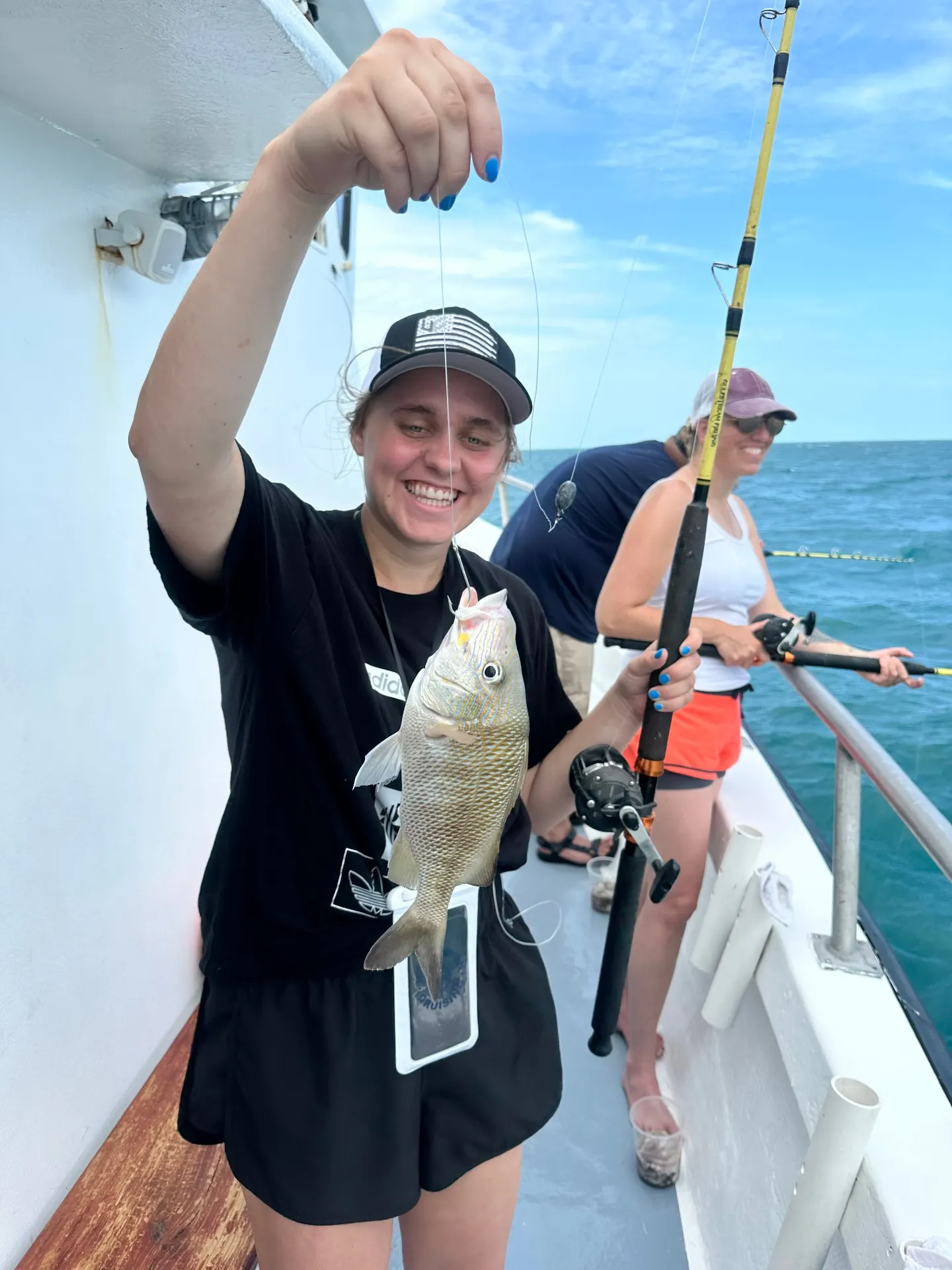
    Grunt

    Typical size aboard Gulfstream: 1–2 lb

    Grunt caught aboard Gulfstream Fishing in Key West

    Grunts are one of the fish our anglers see most often. They school over shallow coral heads and hard bottom, they bite squid readily, and they keep rods bending when other species go quiet. Most are 1–2 pounds. They get their name from the sound they make once they come over the rail — kids notice it immediately. Grunts are easy for first-time anglers to hook, and they make mild, white fillets that are excellent pan-fried, so we never treat them as a throwaway fish.

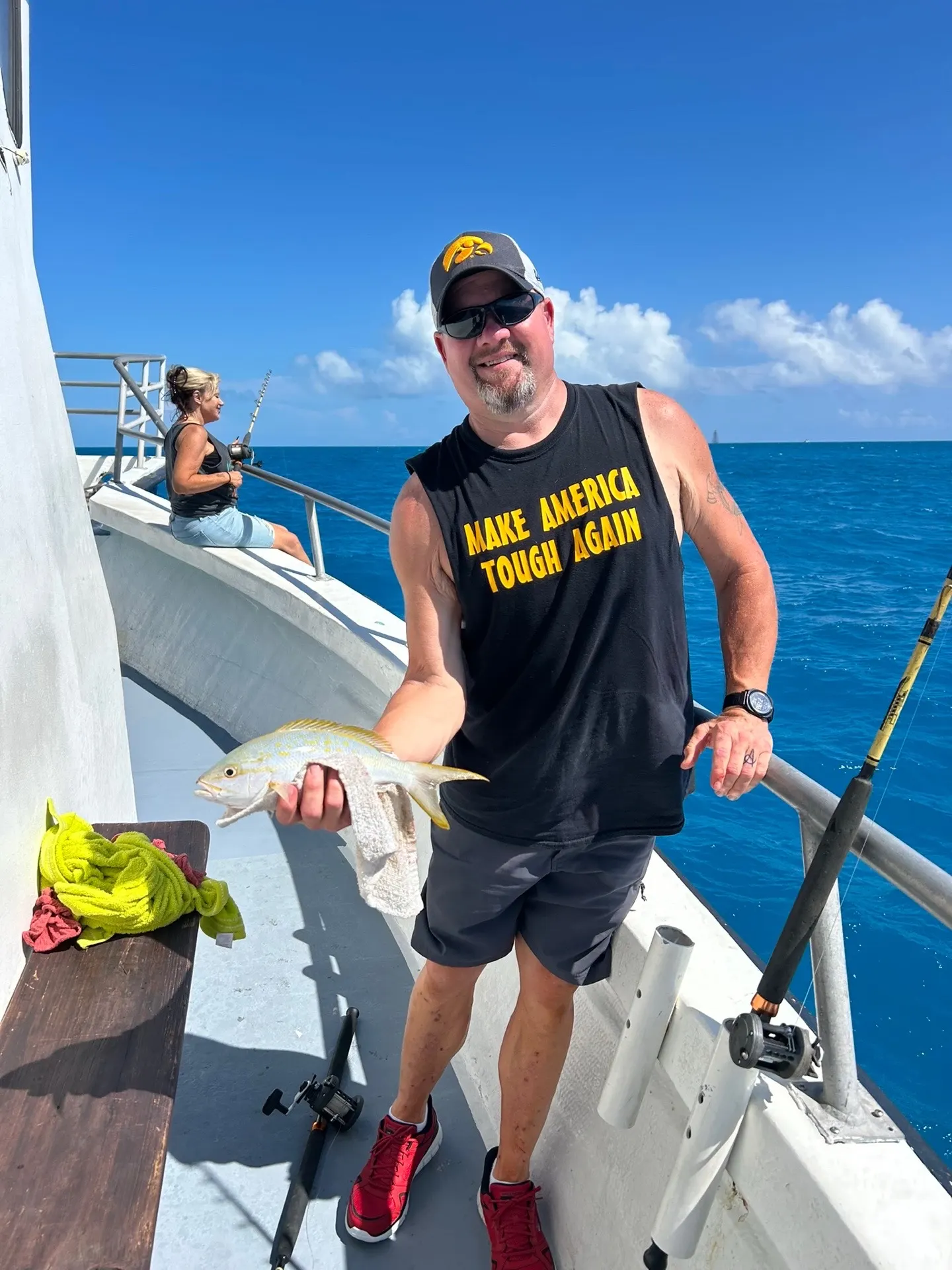
    Yellowtail Snapper

    Typical size aboard Gulfstream: 1–3 lb

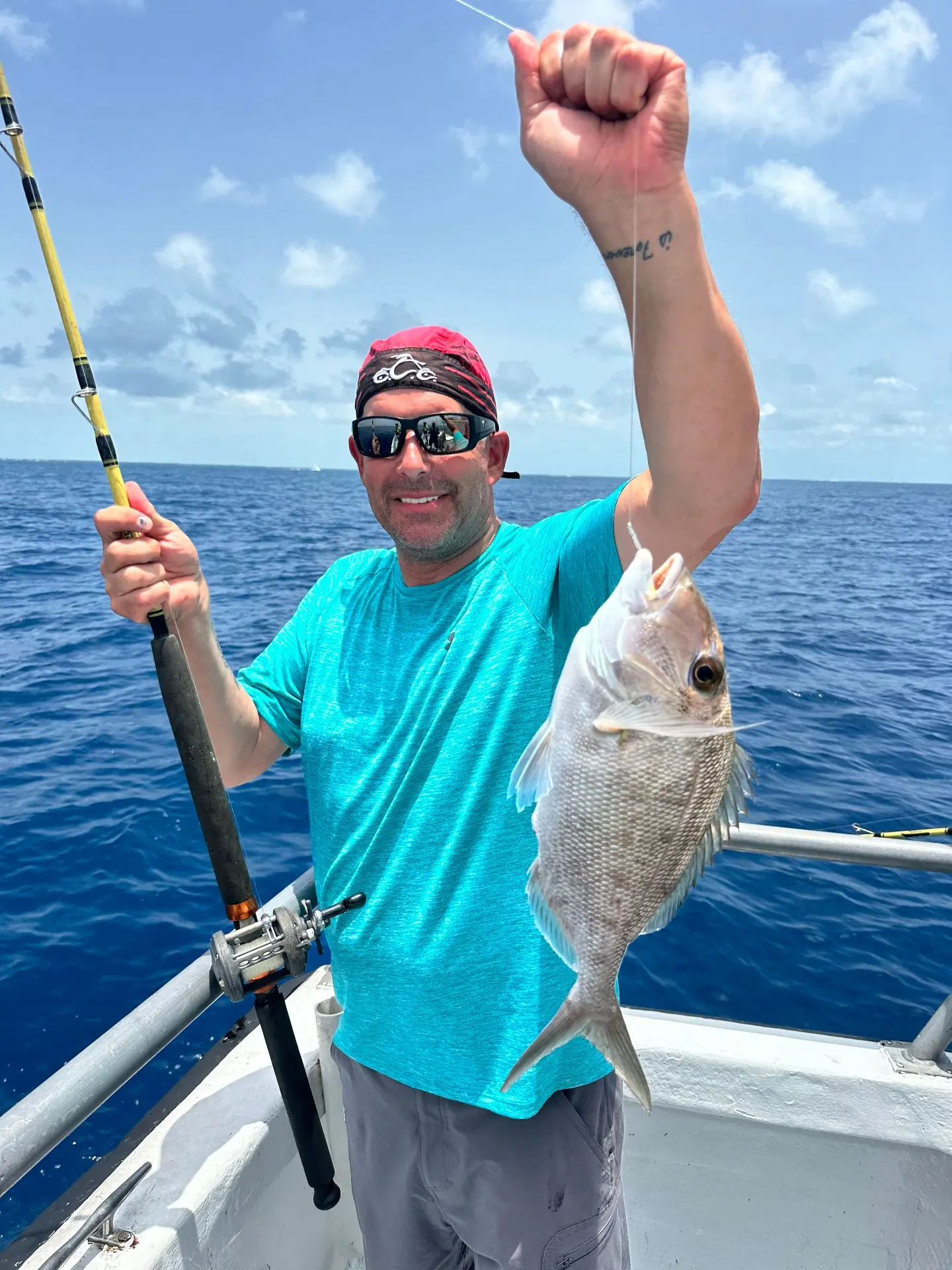
    Yellowtail snapper caught on a Gulfstream Fishing Key West reef trip

    Yellowtail snapper are one of the signature reef fish of Key West. They come up in the chum slick behind the boat once we're anchored, and they'll often feed well off the bottom, which makes for light, fun fishing. Most yellowtail our anglers catch run 1–3 pounds. They're one of the better-eating fish on the reef and a common part of what goes home in the cooler.

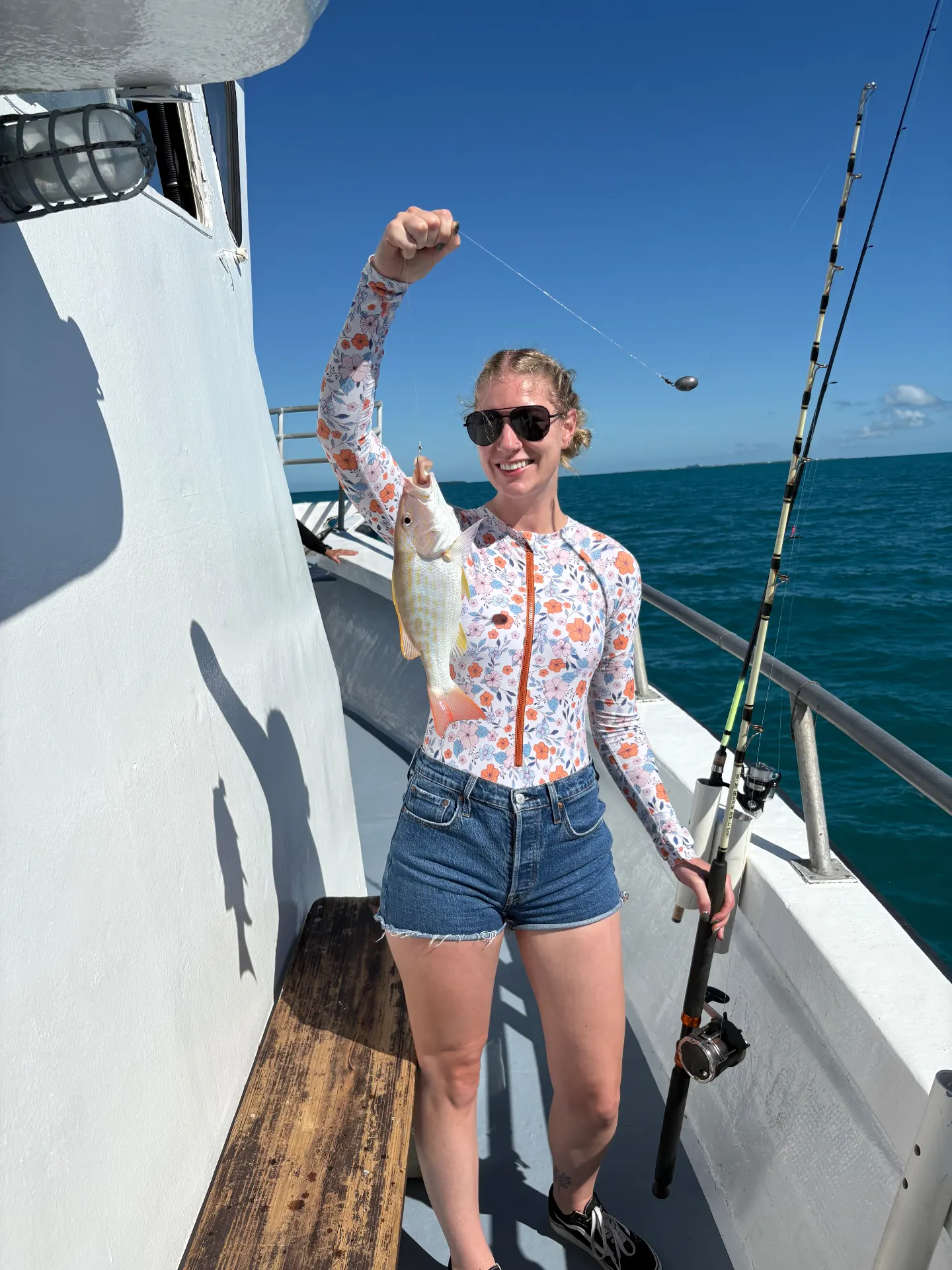
    Lane Snapper

    Typical size aboard Gulfstream: 1–2 lb

    Lane snapper caught aboard Gulfstream Fishing in Key West

    Lane snapper are a colorful, pink-and-yellow-striped reef fish that show up over patch reefs and hard bottom. They usually run 1–2 pounds and they come on squid or cut bait fished near the bottom. When lanes are stacked up on a spot, everyone on the rail tends to be busy — they're a steady, dependable catch rather than a trophy fish.

    Mangrove (Grey) Snapper

    Typical size aboard Gulfstream: 1–3 lb

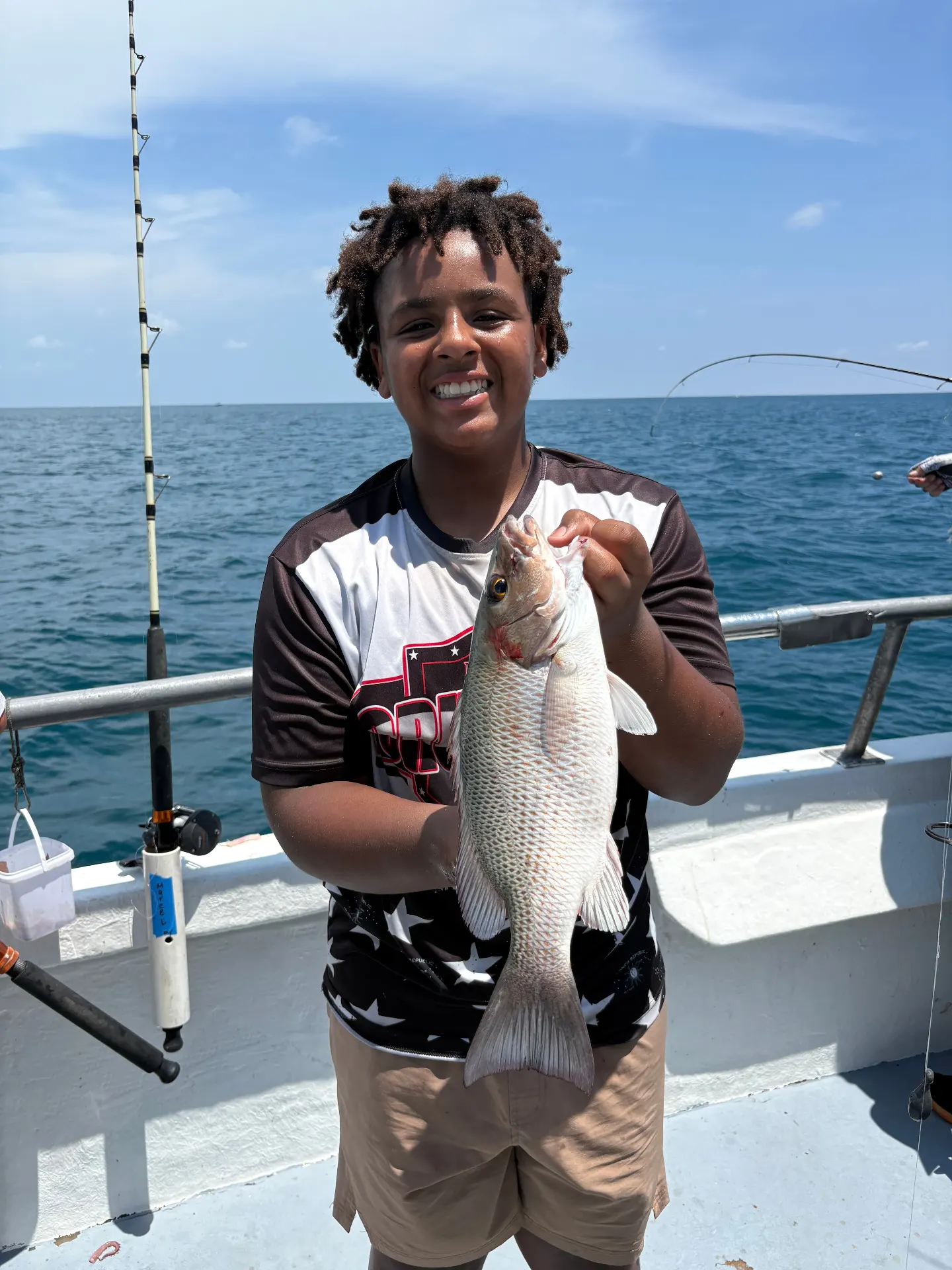
    Mangrove snapper caught aboard Gulfstream Fishing in Key West

    Mangrove snapper — also called grey snapper — hold tight to reef edges and wrecks and are best known here as a summer fish, especially after dark on our summer night trips. They're sharp-eyed and can be picky, so a clean bait and a light touch help. Most run 1–3 pounds. They're excellent eating and a favorite among guests who like to work for their bites.

    Porgy

    Typical size aboard Gulfstream: 1–3 lb

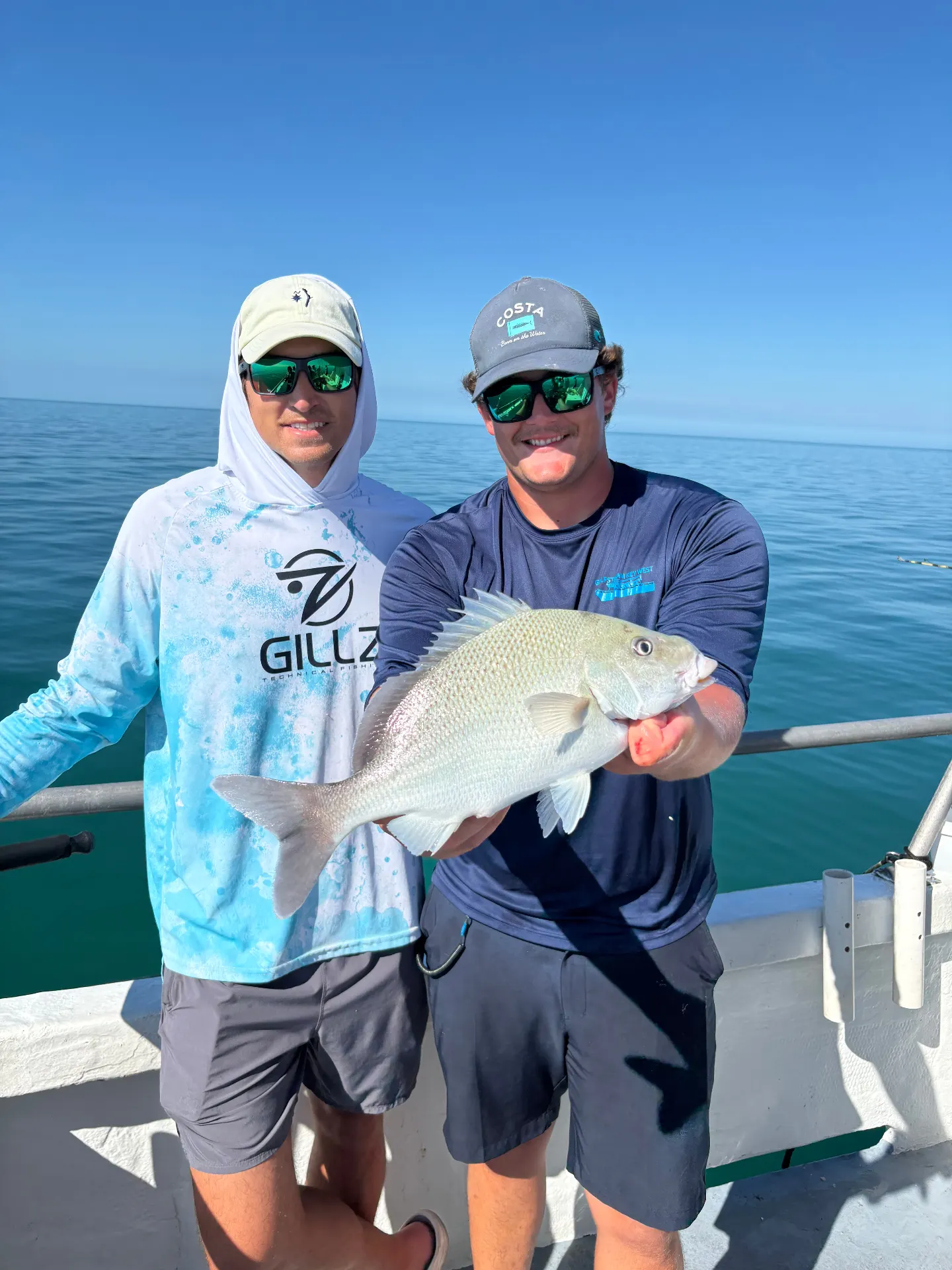
    Porgy caught aboard Gulfstream Fishing in Key West

    Porgy are an underrated bottom fish that show up around hard bottom, coral heads and wreck edges. They're typically 1–3 pounds, they pull harder than their size suggests, and they take squid without much convincing. Guests who aren't chasing a photo fish usually end up appreciating porgy the most — they fill a cooler with quality fillets.

    Mutton Snapper

    Typical size aboard Gulfstream: 3–8 lb

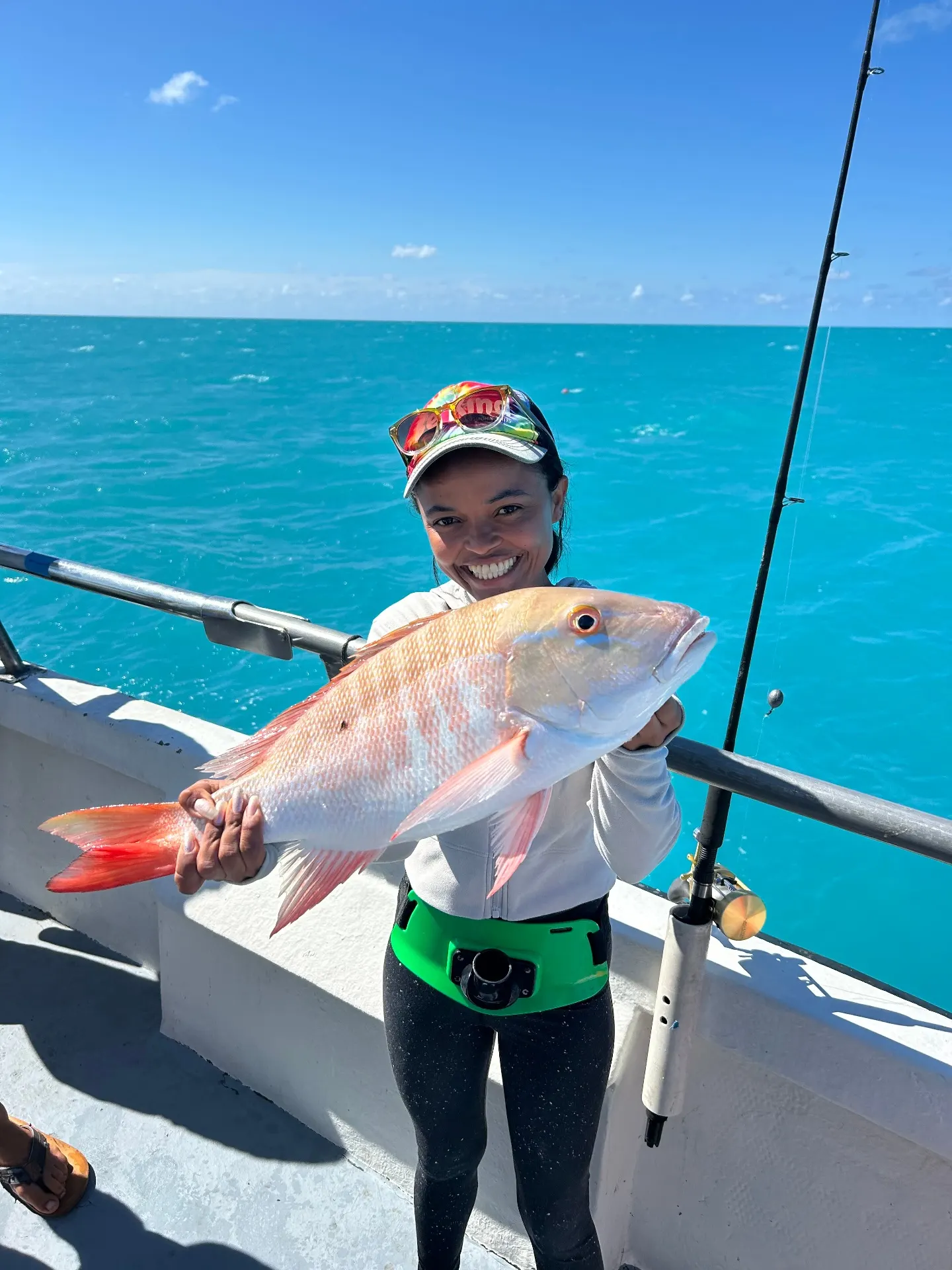
    Mutton snapper caught aboard Gulfstream Fishing in Key West

    Mutton snapper are one of the better fish an angler can hook on the reef. They tend to hang near deeper structure and ledges, and when one eats, you know it — they run hard and don't give up easily. Muttons our anglers land generally run 3–8 pounds. We catch them on squid and cut bait fished on the bottom, the same way we fish for the rest of the reef mix.

    Red Grouper

    Typical size aboard Gulfstream: 3–10 lb

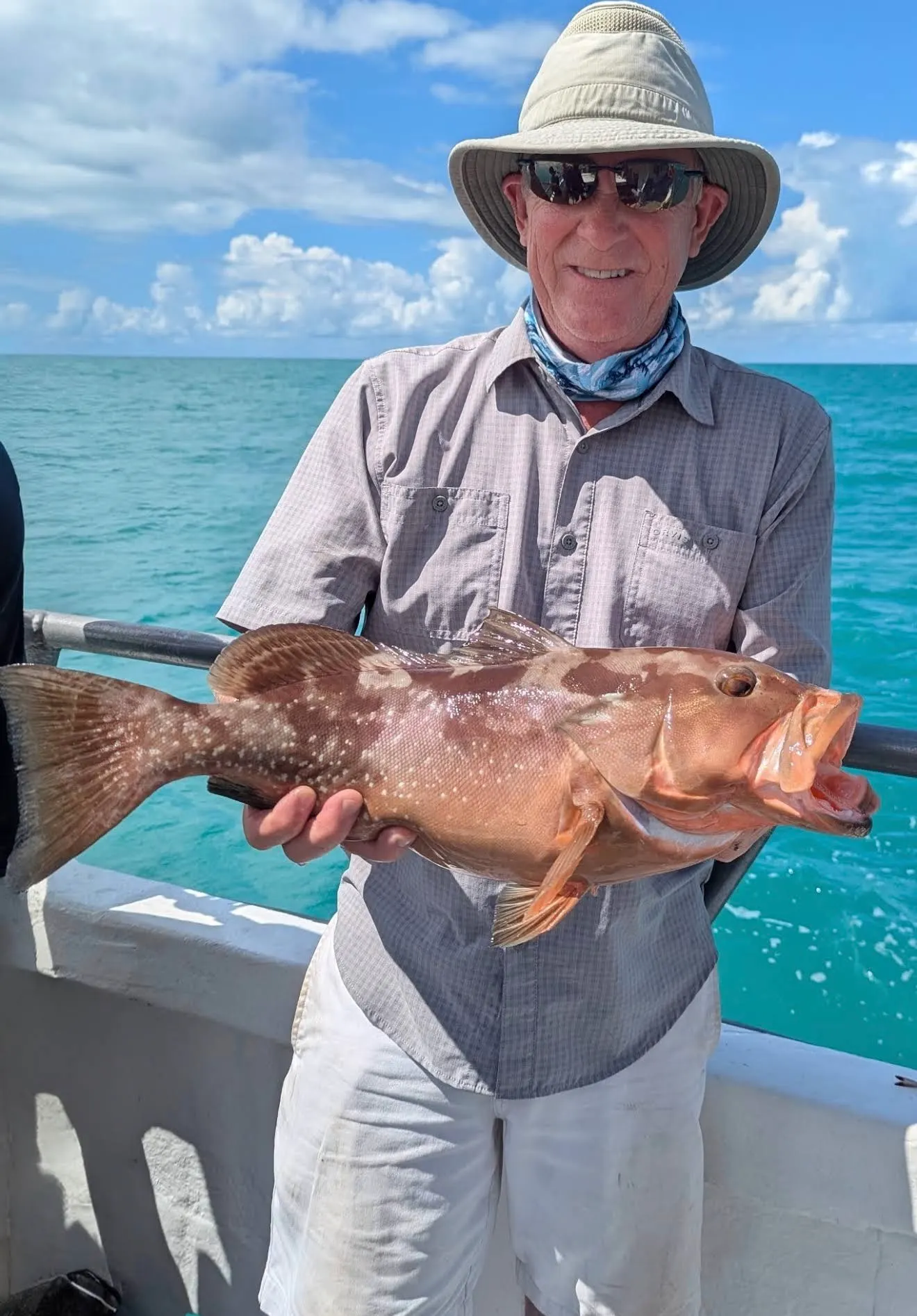
    Red grouper caught aboard Gulfstream Fishing in Key West

    Red grouper live on the ledges, rock piles and hard bottom we fish, and they hit a bottom bait hard. Most that come over our rail are 3–10 pounds. Being present in local waters is not the same thing as being open for harvest — grouper harvest is governed by seasons and other rules that change, so whether a grouper can be kept depends on the current regulations. See our guide to Key West fishing regulations before assuming any grouper is a keeper.

    Black Grouper

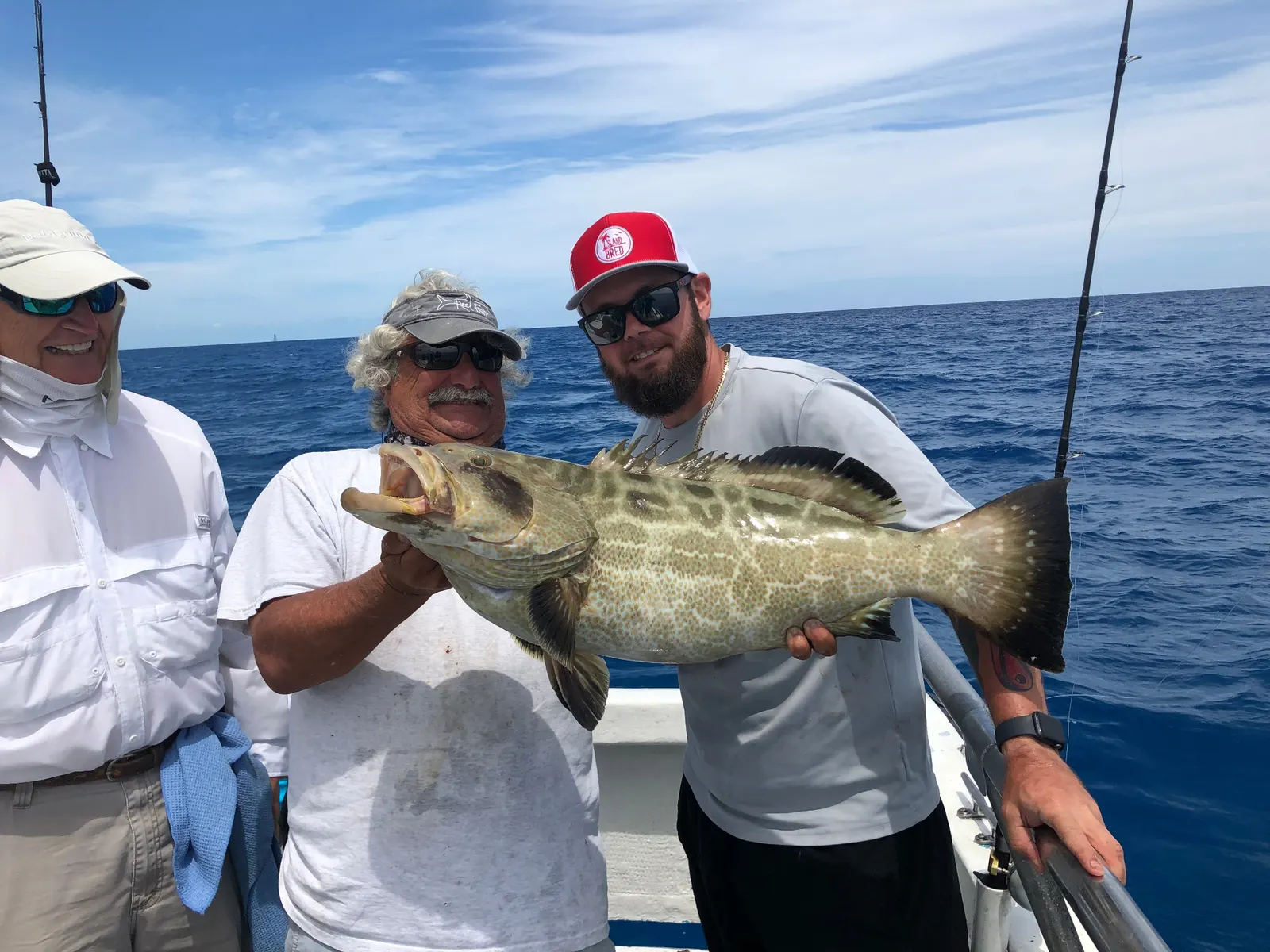
    Typical size aboard Gulfstream: 5–15 lb

    Black grouper caught aboard Gulfstream Fishing in Key West

    Black grouper are the strongest fish most of our anglers will hook. They sit on deeper structure and their first move is straight back down into the rocks, so heavier tackle and a fast reaction matter. The blacks our guests land typically run 5–15 pounds. Like red grouper, whether one is a keeper depends on the season and current rules, not on the fish being there.

    Cero Mackerel

    Typical size aboard Gulfstream: 2–6 lb

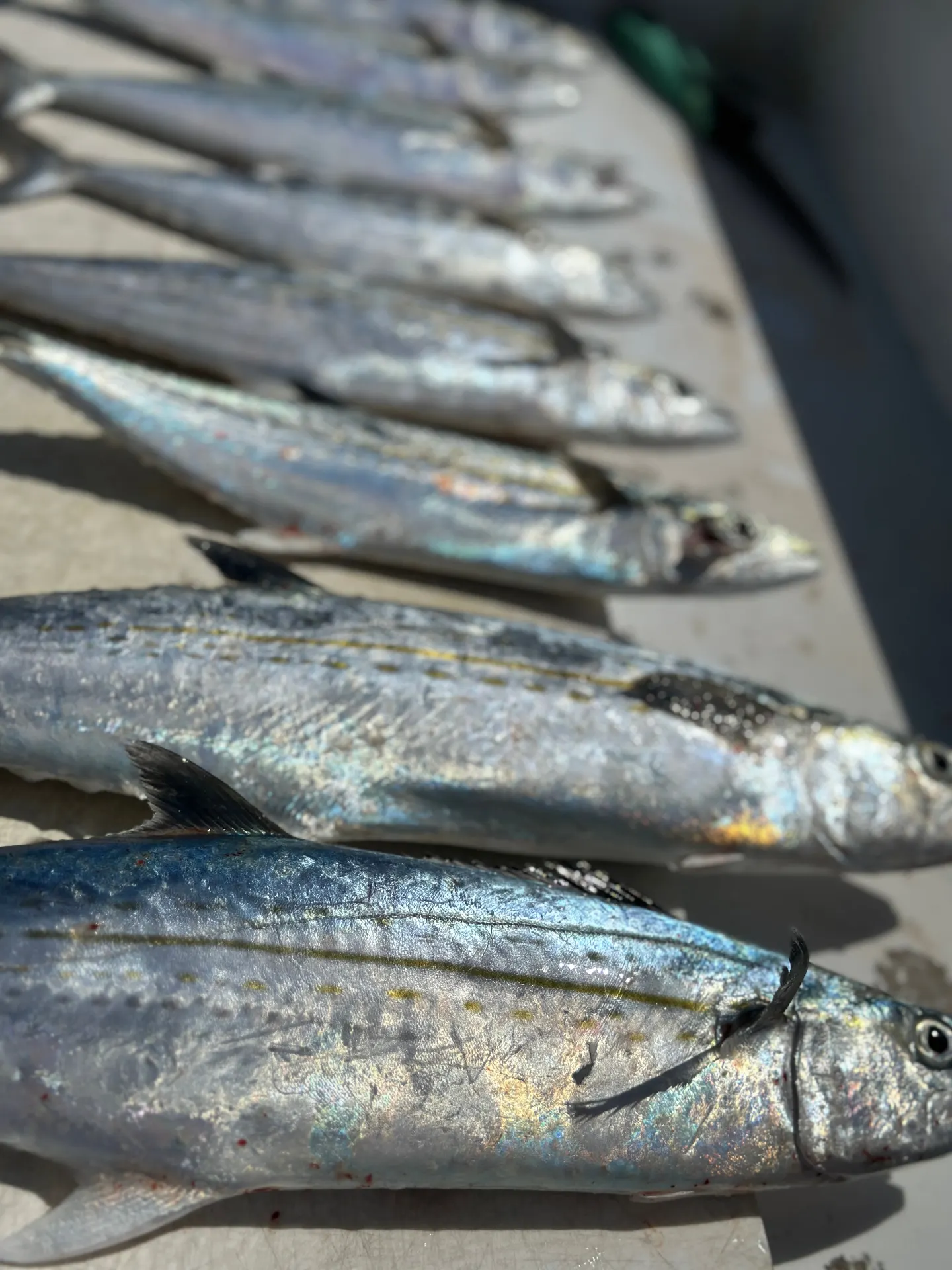
    Cero mackerel caught aboard Gulfstream Fishing in Key West

    Cero mackerel are fast, flashy, and a nice change of pace from bottom fishing. We anchor while we fish, so cero come to us: they move into the chum slick behind the boat and can be caught on a flat line off the stern. Most are 2–6 pounds, and they make screaming little runs on light tackle. When cero show up in the slick, the mate will usually get a flat line out and let a bait drift back.

    Schoolmaster Snapper

    Typical size aboard Gulfstream: 1–2 lb

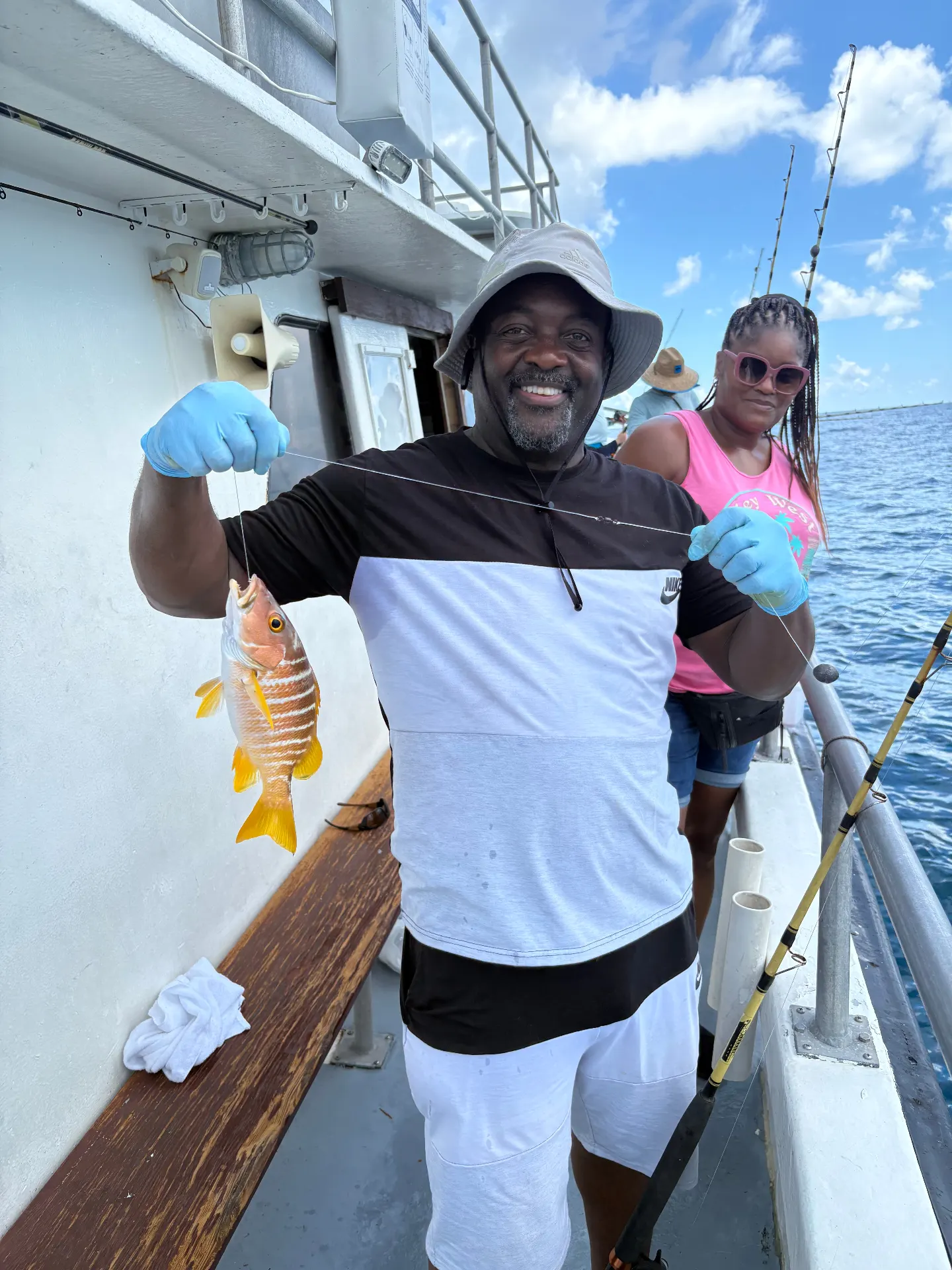
    Schoolmaster snapper caught aboard Gulfstream Fishing in Key West

    Schoolmaster snapper are the gold-striped snapper you'll see around coral heads and patch reefs. They're aggressive for their size, usually 1–2 pounds, and they come on squid fished near the bottom. They're part of the everyday reef mix here rather than a fish we go looking for specifically.

    Margate

    Typical size aboard Gulfstream: 2–5 lb

    Margate caught aboard Gulfstream Fishing in Key West

    Margate are chunky silver-grey bottom fish found around ledges, live bottom and wrecks. Ours generally run 2–5 pounds, and they fight noticeably harder than a grunt of the same length. The meat is firm and white and holds up well on a grill, which surprises guests who've never heard of them.

    Hogfish

    Hogfish are one of the most sought-after fish in the Florida Keys and one of the best-eating fish that comes off this reef. They live on the same hard bottom and coral areas we anchor over, but they're a picky, sight-oriented feeder, so they're a genuine bonus rather than a fish we can promise anyone. When one comes up on a squid bait, the whole rail usually stops to look. Hogfish are tightly regulated in the Keys, so check the current rules — see our Key West fishing regulations guide — before counting one as a keeper.

    Triggerfish

    Triggerfish hang around structure, wrecks and coral heads and have a small, tough mouth that makes them famously good at stealing squid without getting hooked. Anglers who slow down and feel the bite tend to be the ones who land them. They're excellent eating, with firm white fillets, and they're a regular part of the reef mix on our trips. Triggerfish harvest is regulated and can be closed at times of year, so current rules decide whether one goes in the cooler.

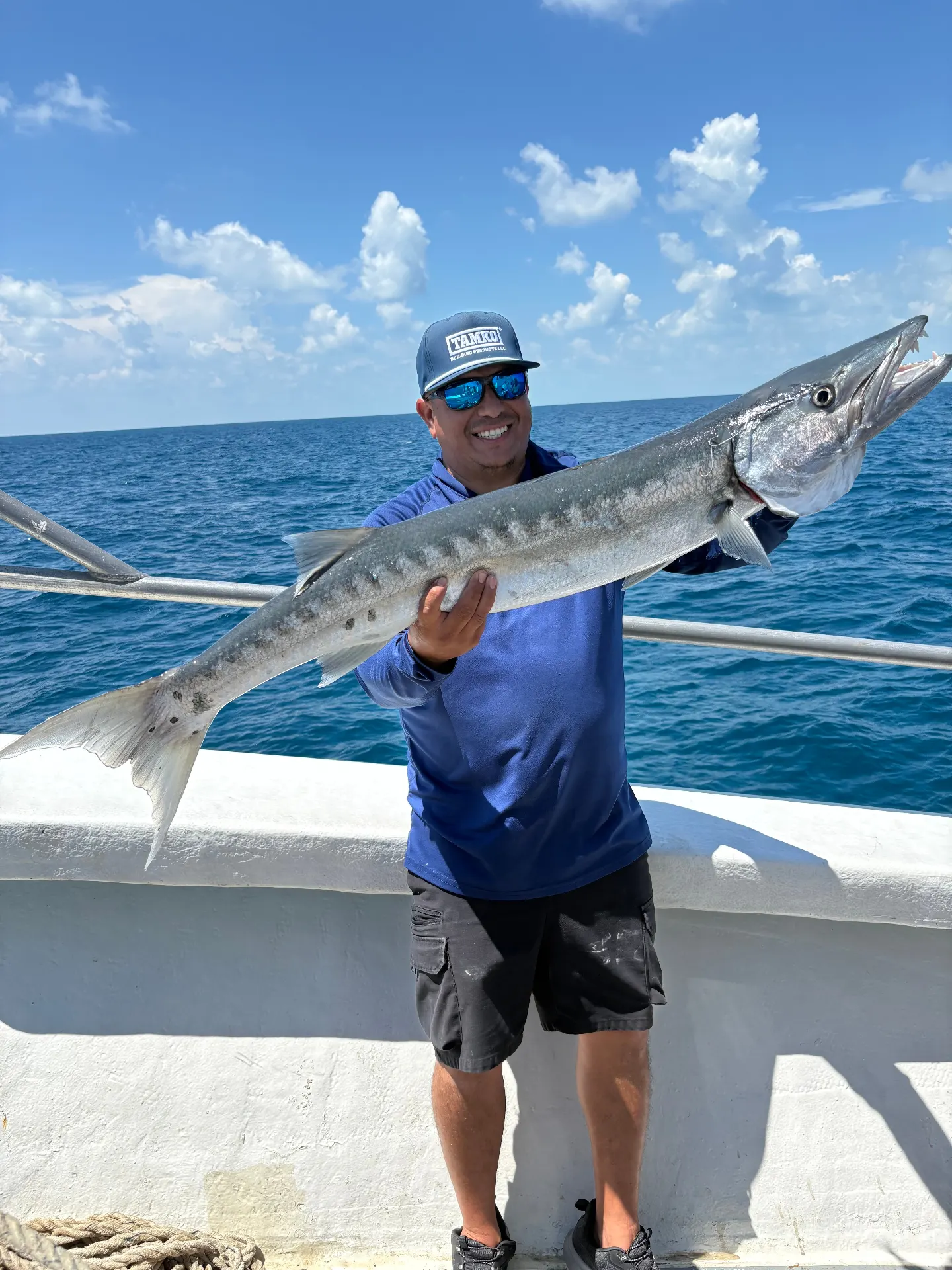
    Barracuda

    Typical size aboard Gulfstream: 10–25 lb

    Barracuda caught aboard Gulfstream Fishing in Key West

    Barracuda are usually hooked incidentally while we're fishing for other species — often when one grabs a fish on the way up. They strike hard, run fast, and make for a memorable few minutes on the rail. Most that come to the boat are in the 10–25 pound range. Barracuda are generally released, and they make a good photo before they go back.

    Taking Your Catch Home

    When we return to the dock, our crew can clean and fillet your keeper fish for $0.50 per fish. From there, plenty of guests take their fillets straight to dinner — several local spots will cook your catch for you, and we keep a current list in our guide to Key West restaurants that cook your catch.

    Key West Fish Species FAQ

    What fish can you catch in Key West?

    On our trips the everyday mix is reef and wreck fish: grunts, yellowtail snapper, lane snapper, mangrove snapper, schoolmaster snapper, porgy, margate, mutton snapper, red and black grouper, cero mackerel, and bonus fish like hogfish and triggerfish. Barracuda show up incidentally. What actually comes over the rail changes with the weather, where we anchor, current regulations and what's biting that day, so we don't guarantee any one species.

    Can we keep the fish we catch?

    Often yes. Whether a fish is a keeper depends on the species, its size, the season and the other rules in effect at the time — and those rules change. Our crew tells you on the boat what's legal to keep that day. For current details, read our Key West fishing regulations guide.
    Who cleans the fish after the trip?

    When we return to the dock, our crew can clean and fillet your keeper fish for $0.50 per fish.

    Where can we take our catch to be cooked?

    Several Key West restaurants will cook your catch for you. We keep an up-to-date list in our guide to Key West restaurants that cook your catch.

    Ready to Get on the Reef?

    Book your Key West fishing trip and see what the day gives you.